
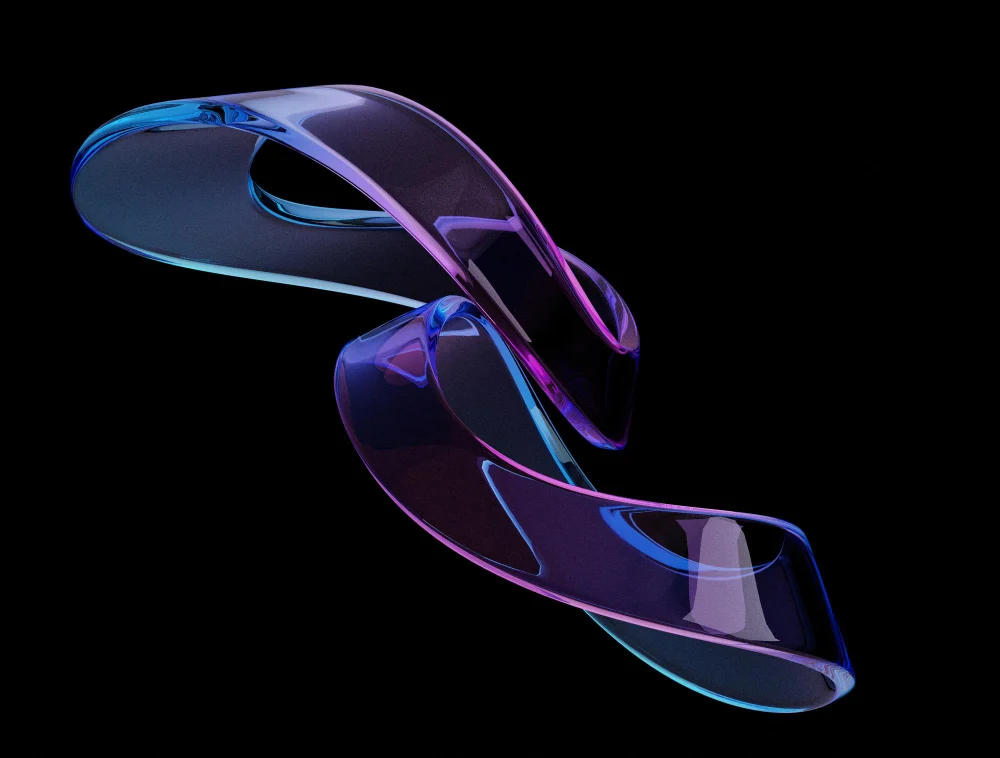
Multimedia design has always evolved with technology. From static posters to dynamic motion graphics, each era has pushed boundaries. But today’s frontier is 3D, spatial, and immersive multimedia — experiences that don’t just display visuals but pull audiences into them.
Why 3D Design is Booming
The rise of accessible 3D tools (like Blender, Unreal Engine, and Spline) has made 3D design mainstream. Designers are experimenting with depth, movement, and realism in everything from product ads to architectural walkthroughs. Even websites now integrate subtle 3D elements that respond to user movement.
The Power of Motion and Space
Motion graphics have evolved from decorative animations to storytelling devices. In immersive design, motion defines flow, directs attention, and conveys emotion. Combined with spatial design (using layers, depth, and parallax), multimedia content feels alive — transforming screens into experiences.
AR and VR Integration
AR and VR are no longer futuristic gimmicks. Brands use AR product visualizers and VR showrooms to create interactive engagement. Imagine exploring a car’s features through a virtual demo or interacting with furniture via a 3D room layout. These immersive tools improve user confidence and elevate perceived brand value.
Skill Shifts and Opportunities
This revolution demands a new skillset — 3D modeling, spatial UX, and real-time rendering. Motion designers are learning coding; graphic designers are learning animation. The multimedia professional of tomorrow is both a visual artist and a technologist.
Final Thought
Immersive design transforms passive viewing into active participation. It’s not just about how things look, but how they feel to interact with. And that’s where multimedia design truly steps into the future.