Advanced Game Art & Design
Step Into the Gaming Industry with Professional Game Designing Skills
Learn Game Designing at IAD Kerala. Master game art, level design, mechanics, storytelling, and real-time engines with portfolio-driven training.
Key Highlights of the Program
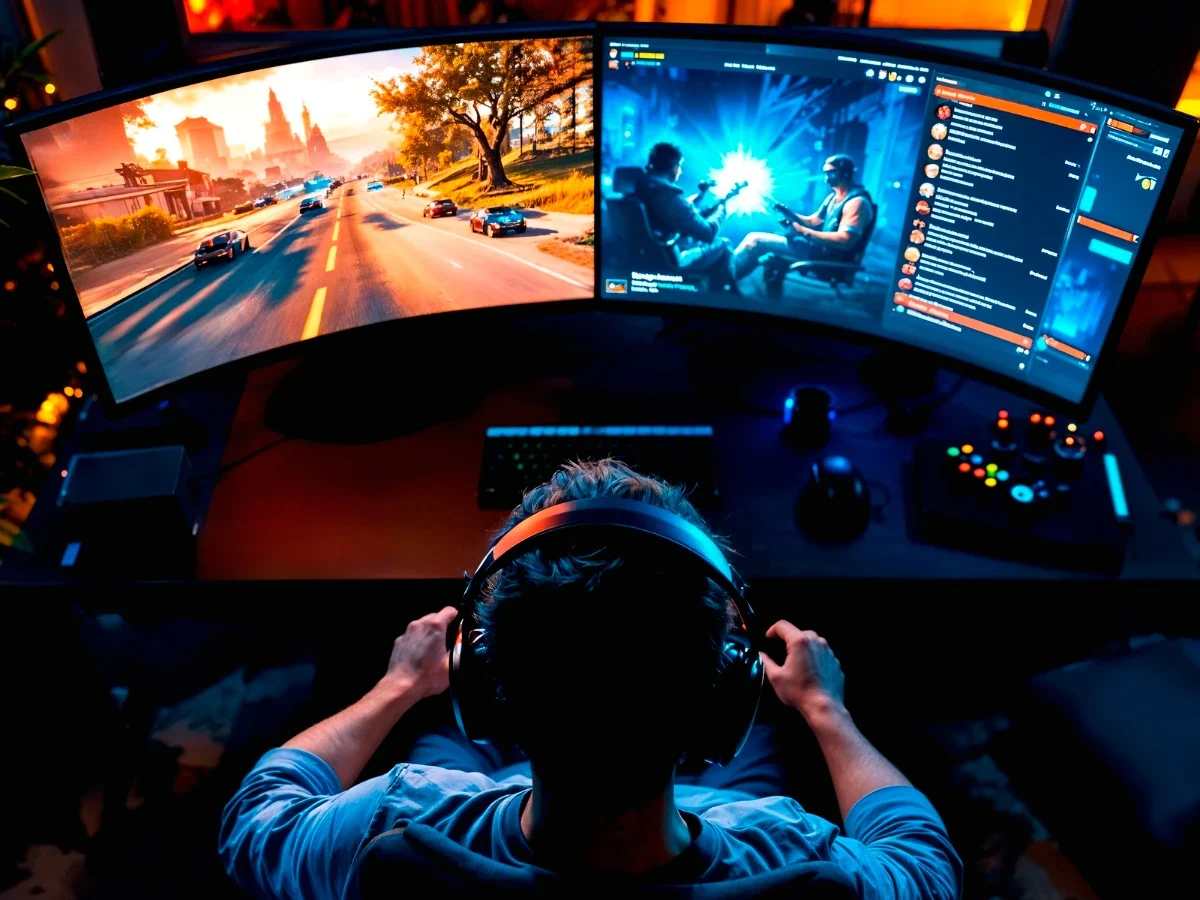
Game art design is the process of creating all visual, aesthetic, and atmospheric elements of a video game. It spans from early 2D concept art to fully realised 3D assets such as characters, environments, and user interfaces (UI). Game artists transform a game’s creative vision into tangible visual assets through a structured pipeline that includes conceptualisation, modelling, texturing, lighting, and animation. This discipline combines artistic creativity with technical skills to ensure that visuals not only look appealing but also function effectively within the game engine and enhance the overall player experience.
Career guidance and placement support for gaming and interactive media roles. This program ensures students graduate with practical skills and a strong creative portfolio
Key highlights of the program include:
-
Strong foundation in game design principles, mechanics, and player psychology
-
Training in game art, environments, characters, and asset creation
-
Exposure to level design, world building, and interactive storytelling
-
Hands-on experience with real-time game engines used in the industry
-
Understanding of game UI, HUD design, and player experience flow
-
Project-based learning through playable game prototypes
-
Portfolio and demo-reel development focused on employability
-
Career guidance and placement support for gaming and interactive media roles
This program ensures students graduate with practical skills and a strong creative portfolio.
What will you learn?
Introduction to Games & Interactive Media
History and evolution of games
Game genres and platforms (PC, Console, Mobile, AR/VR)
Role of game designers in the industry
Overview of game development pipelines
Fundamentals of Game Design
Core game design principles
Mechanics, dynamics, and aesthetics (MDA framework)
Player psychology and engagement
Fun, challenge, balance, and progression
Visual Design Basics for Games
Fundamentals of design, colour, and composition
Introduction to game art styles
Basics of 2D game assets
UI and HUD fundamentals
Gameplay Design
Game rules, objectives, and feedback systems
Difficulty curves and pacing
Reward systems and progression design
Game Narrative & Storytelling
Interactive storytelling principles
Character design and world building
Linear vs non-linear narratives
Narrative integration into gameplay
Level Design
Principles of level layout and flow
Environment storytelling
Player navigation and guidance
Prototyping and testing levels
2D Game Art & Assets
Sprite creation and tile sets
Backgrounds and environment art
Animation basics for games
3D Game Art Fundamentals
Introduction to 3D modelling for games
Low-poly modelling techniques
Texturing and materials for real-time engines
Game UI & UX Design
Interface design for games
Player experience flow
Accessibility and usability in games
Advanced Game Mechanics
Systems design and emergent gameplay
AI basics for games (NPC behaviour)
Multiplayer concepts and mechanics
AR/VR & Emerging Game Platforms
Introduction to AR/VR game design
Spatial interaction and immersive design
Performance optimisation for real-time experiences
Portfolio & Demo Reel Development
Game design documentation (GDD)
Showcasing gameplay and design decisions
Preparing assets for interviews
How You Will Learn at IAD
Learning at IAD follows a studio-based, project-driven model, closely aligned with professional game development environments.
Students learn through:
Concept-driven assignments focused on gameplay ideas and mechanics
Practical sessions covering game art, asset creation, and level design
Step-by-step development of playable game levels and prototypes
Collaborative projects simulating real game studio workflows
Iterative testing, feedback, and refinement based on player experience
Continuous evaluation through design documentation and playable outputs
This approach helps students understand not just how games are built, but why design decisions matter to player engagement and retention.
Who Should Choose This Course
The Game Designing course is ideal for individuals passionate about games, storytelling, and interactive experiences.
This course is well suited for:
Students passionate about video games and interactive media
Creative individuals interested in game art, level design, and storytelling
Learners who want to combine design creativity with technology
Aspiring professionals aiming to work in game studios or interactive media companies
Designers seeking to enter AR/VR, simulation, or experiential design fields
Whether aiming for entertainment, serious games, or immersive experiences, this course offers a strong foundation.
Career Opportunities After Course Completion
Game Designing program are prepared for roles across gaming, interactive media, and real-time content industries.
Potential Career Paths
Game Design & Development Roles
Game Designer
Level Designer
Gameplay Designer
Game Artist
Art & Environment Design Roles
Environment Artist
Character Artist (Junior Level)
Game Asset Designer
Interactive & Emerging Media Roles
AR/VR Game Designer
Interactive Experience Designer
Simulation and Serious Games Designer
Freelance & Independent Opportunities
Graduates may also pursue independent careers such as:
- Indie game developer
- Freelance game asset designer
- Game concept artist
- Interactive content creator
With a strong portfolio and playable projects, students can work with studios, startups, or independently.
Frequently Asked Questions (FAQs)
What is Game Designing?
Game Designing involves creating the rules, mechanics, levels, visuals, and interactive experiences that define how a game looks, feels, and plays. It combines creativity, storytelling, and technical understanding.
Is this course suitable for beginners?
Yes. The course is structured to start with fundamentals of game design and gradually progress to advanced concepts and real-time development, making it suitable for beginners.
Do I need programming knowledge to join this course?
Basic programming knowledge is helpful but not mandatory. The focus is on game design, logic, and interaction, with technical concepts introduced progressively.
Will I work on real games during the course?
Yes. Students work on playable game prototypes, levels, and interactive projects as part of the learning process.
Does IAD provide placement or career support?
Yes. IAD provides career guidance, portfolio mentoring, and placement assistance for roles in gaming studios and interactive media companies.
Is this course suitable for freelance or indie game development?
Absolutely. The skills taught support freelance work, indie game creation, and startup opportunities in gaming and interactive design.